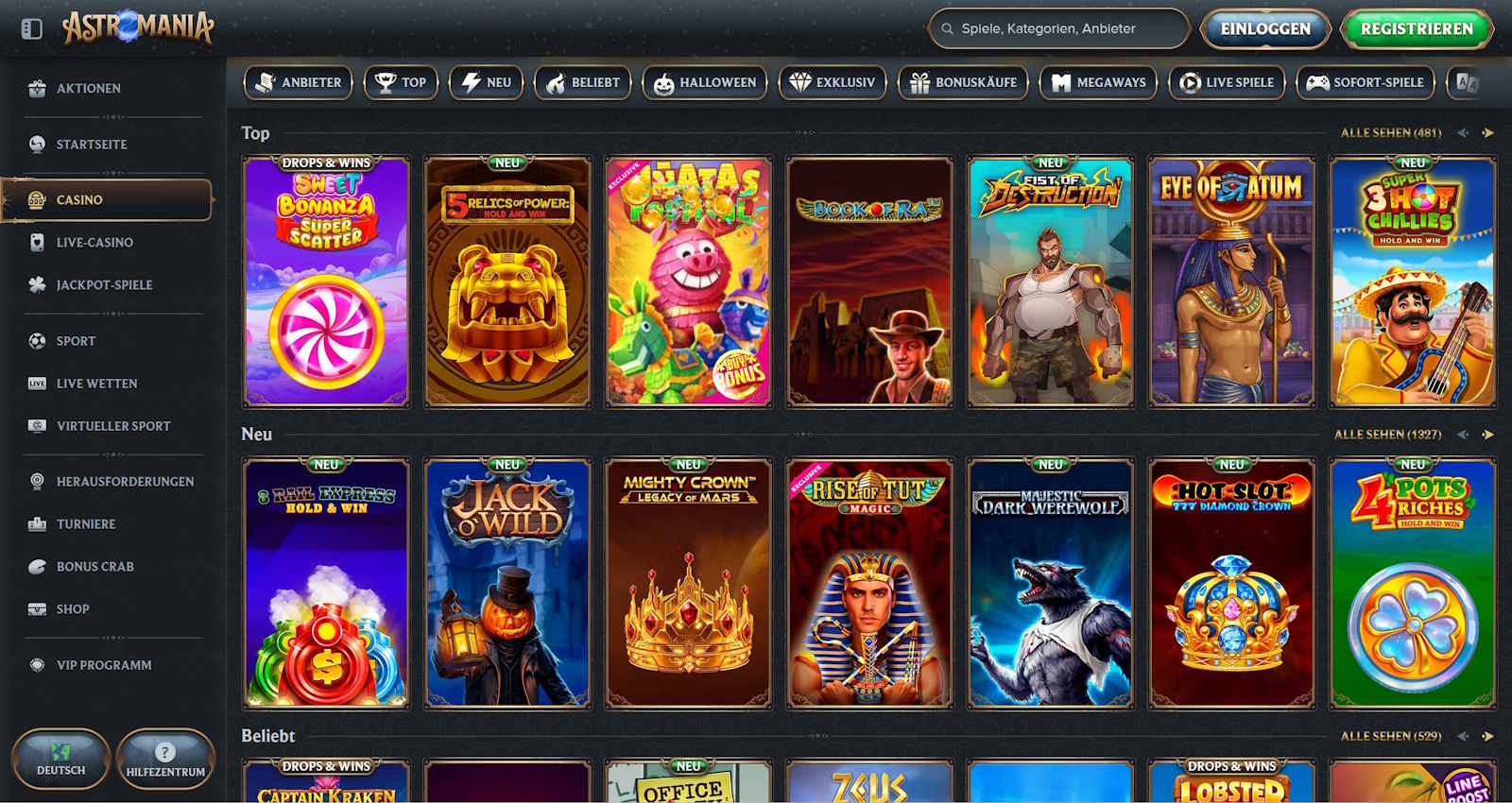
Online casino disputes aren’t inevitable, but they arise regularly that every player and affiliate needs to understand what recourse is available. Maybe it’s a delayed withdrawal, a bonus term that got misinterpreted, or a commission calculation that appears wrong. A structured resolution framework can convert a frustrating standoff into something you can actually work through. Licensed operators such as Astromania Casino follow strict regulatory obligations that require transparent complaints procedures, which gives consumers real steps to take. Beyond those internal mechanisms, a whole ecosystem of alternative dispute resolution (ADR) services, mediation, and eventually legal channels creates a layered safety net. This guide walks through each tier of that ecosystem, from the initial complaint to binding arbitration. Knowing your options is no academic exercise. It directly influences how fast and how likely you are to get a satisfactory outcome. A player who knows when to escalate a complaint to a licensing authority, or when to bring in an ADR provider, sidesteps months of uncertainty and wasted effort. The aim is to give you a clear, actionable roadmap so you can pursue resolution with your eyes open.
Step One: Internal Dispute Procedures
When a conflict emerges, the most efficient way to resolve it nearly always involves the casino’s internal complaints team. Authorized casinos, including those operating under Malta Gaming Authority or Curacao eGaming licences, are required to maintain a formal process that documents, probes, and replies to player grievances. The first thing any aggrieved party should do is assemble all necessary evidence, screenshots of the incident, email exchanges, transaction records, and file a straightforward, brief grievance through the casino’s official support channel. Reliable operators will verify reception within several working days and give you a reference number. The internal investigation usually examines system logs, player activity, and whether the rules active during the incident were observed. Throughout this step, patience and an objective approach are key. Emotional or aggressive messages hardly ever expedite matters. If the first reply does not meet your expectations, numerous operators allow you to escalate to a senior review panel. This prolongs the internal process before any outside body gets involved.
- Check the platform’s terms and conditions to ensure the correct policy.
- Assemble screenshots, emails, and transaction numbers related to the issue.
- Get in touch with customer support via email or online chat, precisely explaining the problem and providing supporting documents.
- Ask for escalation to a dispute manager if the initial level is unable to settle the issue.
- Record the operator’s ultimate decision and any tracking ID for subsequent use.
The Function of Gaming Regulators
Online casinos hold licences provided by regulatory bodies that enforce strict operational standards. These authorities frequently act as the next tier of dispute resolution when internal processes fall short. The Malta Gaming Authority (MGA), the United Kingdom Gambling Commission (UKGC), and the Curaçao eGaming board, among others, all expect licensees to handle complaints fairly and within defined timeframes. If a player has completed the casino’s own procedure without achieving a satisfactory resolution, they can lodge a formal complaint with the relevant regulator. The authority will then ask for documentation from both sides and determine whether the operator breached its licence conditions. Regulators usually do not order compensation the way a court would, but they can apply sanctions, require corrective action, or even suspend a licence. That generates significant leverage. For players, being aware of which jurisdiction governs their account is key. This information usually sits in the website’s footer or inside the terms and conditions, and it specifies which body has oversight.
Understanding Casino Disputes: Frequent Triggers
Many disagreements between players and online casinos arise from a handful of expected friction points. Withdrawal delays head the list, usually caused by incomplete account verification or payment processor bottlenecks as opposed to someone deliberately holding your money. Bonus terms are a further major source of conflict. Players might inadvertently violate wagering requirements or game restrictions, causing confiscated winnings and a impression of being treated unfairly. Account closures caused by responsible gambling flags or alleged policy violations also create disputes, notably when the user perceives the decision is missing any real explanation. Technical glitches during gameplay, like a disconnected session mid-spin, can cause contested outcomes that both sides deems easy to sort out. On top of that, misunderstandings around https://www.flashscore.com/golf/pga-tour/wgc-hsbc-champions/ KYC (Know Your Customer) document requests can prolong verification and cause friction. Spotting these common triggers is the primary step toward prevention. It encourages both operators and customers to keep communication clearer and to review the published terms before a disagreement spirals.
ADR (ADR) Schemes
Coverage of ADR
Alternative dispute resolution bodies are impartial entities that focus in resolving disagreements between consumers and gambling operators. Unlike regulators, who focus on licence compliance, ADR providers assess the fairness of a certain dispute and strive to broker a settlement or issue a non-binding recommendation. The scope of ADR usually covers payment delays, bonus term interpretation, account closures, and technical payout disputes. Some schemes also consider responsible gambling complaints where a player thinks the operator neglected to intervene appropriately. Most ADR services are complimentary to the player, funded through operator membership fees. An operator’s willingness to participate is commonly a condition of their licence in jurisdictions such as the UK, where the Gambling Commission requires licensees to nominate an approved ADR entity. Even in markets without a strict mandate, many casino brands voluntarily join respected bodies to display their commitment to fair play and to give consumers an extra layer of confidence.
- eCOGRA – Specialises in online gaming and delivers binding rulings for member operators.
- ThePOGG – Offers a public complaint service with mediation and published outcomes.
- IBAS (Independent Betting Adjudication Service) – UK-focused adjudicator for betting disputes.
- Casinomeister – A player forum that offers a complaints facilitation service under certain conditions.
- OSA (Online Slot Arbitration) – Deals with slot-specific disputes, often involving RNG fairness.
Filing a Complaint
Filing a complaint through an ADR service takes careful preparation. The aggrieved party should first confirm whether the casino has signed up to a particular scheme by reviewing the operator’s website or the ADR provider’s member directory. Next, gather all prior correspondence with the casino, such as the final decision letter if one was issued, along with screen captures and account logs that demonstrate the issue. Most ADR bodies have an online complaint form where the user describes the facts, indicates the desired outcome, and uploads supporting files. The service will then notify the operator and ask for a response, usually within 14 to 28 days. During this phase, the mediator or adjudicator may seek additional evidence or clarification from both sides. The process is more time-consuming than internal resolution, but it offers an impartial eye to the disagreement. The resulting opinion, while not always legally binding, bears considerable weight and often pushes operators to settle to protect their reputation.
Arbitration and Mediation: Sophisticated Settlement Techniques
When ADR does not satisfy both parties, mediation presents a organized yet adaptable framework where a neutral third party facilitates direct negotiation. Unlike an adjudicator who forces a decision, a mediator helps the disputants explore settlement terms, resolve misunderstandings, and reach a mutually acceptable compromise. This process functions best in disputes where the facts are complicated and both sides have a real desire in preserving a business relationship. Consider a high-value affiliate disagreement where future commissions are on the line. Mediation sessions can take place in writing or via video conference, and the confidential setting encourages open dialogue without the risk of public exposure. Costs are usually split, making it a economical alternative to formal litigation. The mediator’s job isn’t to declare a winner but to guide the conversation toward a practical resolution. Many cases conclude within a single session when both parties approach the table in good faith.
Arbitration is a more official step. It mirrors a private court proceeding where the arbitrator reviews evidence and issues a binding decision. Many online casino terms of use include an arbitration clause that mandates disputes to be resolved through this channel instead of state courts. Parties select a mutually agreed arbitrator from a established organization such as the International Chamber of Commerce, and the process can be performed entirely on paper or with a hearing. Arbitral awards are final and enforceable under the New York Convention across more than 160 signatory countries, giving successful complainants a robust recovery instrument. The downside is cost. Arbitration fees can run into thousands of euros, and the losing side may have to cover the expense. For that reason, it’s commonly saved for high-value claims where the principle or the monetary amount merits the investment. Players and affiliates should closely study their contract’s dispute resolution clause to understand whether arbitration is mandatory before signing up.
Litigation as a Last Resort
Jurisdiction Issues
Taking a gambling dispute to court creates a layer of forums.redflagdeals.com complexity that often outweighs the benefits for smaller claims. The first hurdle is determining which country’s courts have jurisdiction. Online casinos Astromania Casino